
smfabac
-
Posts
30 -
Joined
-
Last visited
-
Days Won
3




-
 John/Horace reacted to a post in a topic:
was my oil filter changed
John/Horace reacted to a post in a topic:
was my oil filter changed
-
Thanks John, No need to look at the filter. I have a two hour dash cam video That clearly shows The tech removing the access cover but the filter cap was never removed. As to the lug nuts, the only shop that has performed tire rotation is the CDJR Dealer's shop I've used since I purchased the 2013 Journey off-lease in 2015 at 13,000 miles. The service manager under the current owners, is good at deflecting customer's opinions of the current problem. I had the front breaks rotors and calipers replaced at an independent repair shop (that came highly recommended) 8/19. As I sat in the customer lounge, I could hear an impact wrench failing to loosen the lug nuts. After about three minuets of that, the owner/mechanic asked me to enter the shop saying the lug nuts are over tightened. The Journey is on the ground and he had a 3 foot break over bar and he put his full weight on the bar to loosen the lug nut. He said to tell the service manager to hand tighten the lug nuts and hand torque to specification next time I have CDJR rotate the tires. That opportunity came 9/16 when the time to change oil light came on. I asked to talk to the shop manager and related the problem servicing the front breaks and the recommendation to hand torque to spec. He said that's what we do .. run em down with impact wrench and hand torque to specification. Maybe that's the plan, but does it happen? The evidence I witnessed on the front break service and the fact that the CDJR techs were unable to loosen the rear lug nuts after 30 minutes with two additional techs trying and failing says they were over tightened on the last successful tire rotation.

-
Thanks Larryl, That's my understanding as well. I have a two hour dash cam video from my drop off 14:00 to pick up at 15:58. The oil filter access cover was removed but No tools are seen to remove the filter cap, remove filter and replace. Oil was drained and filled, filter was never touched The service ticket lists oil and filter part no's

-
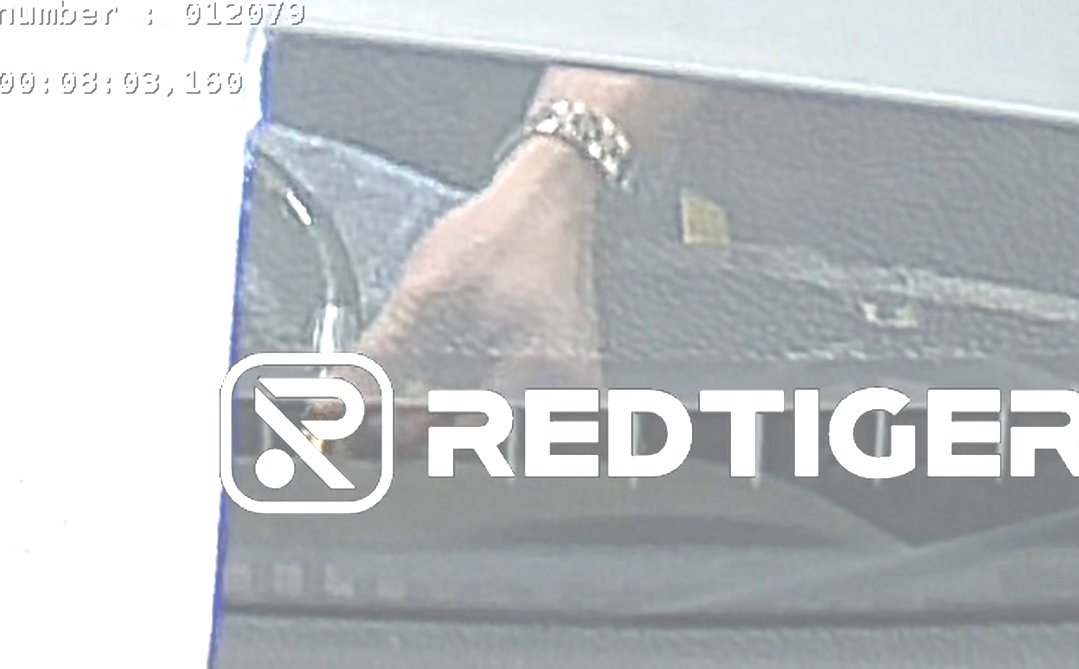
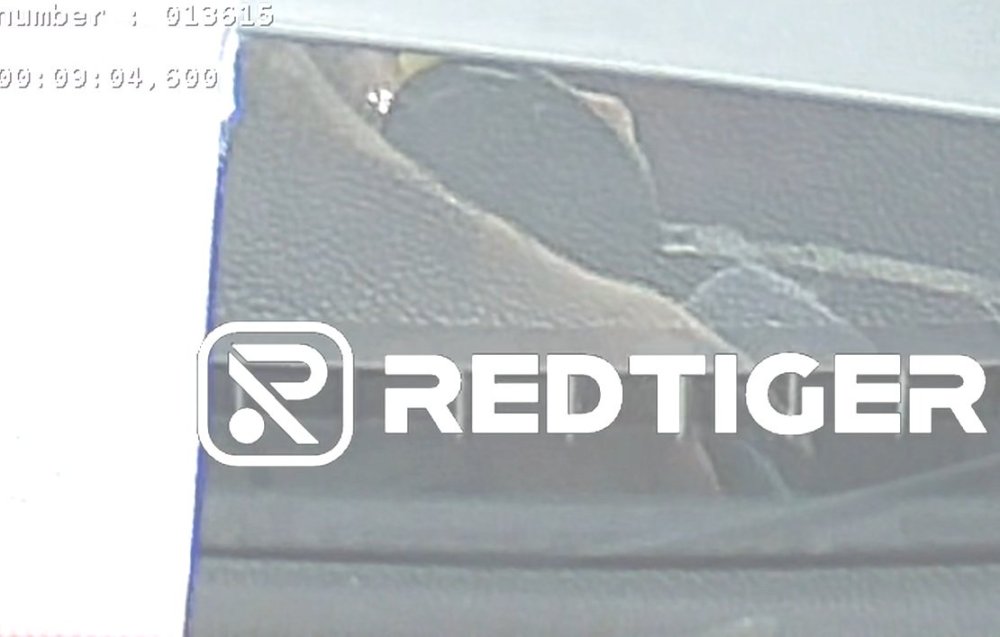
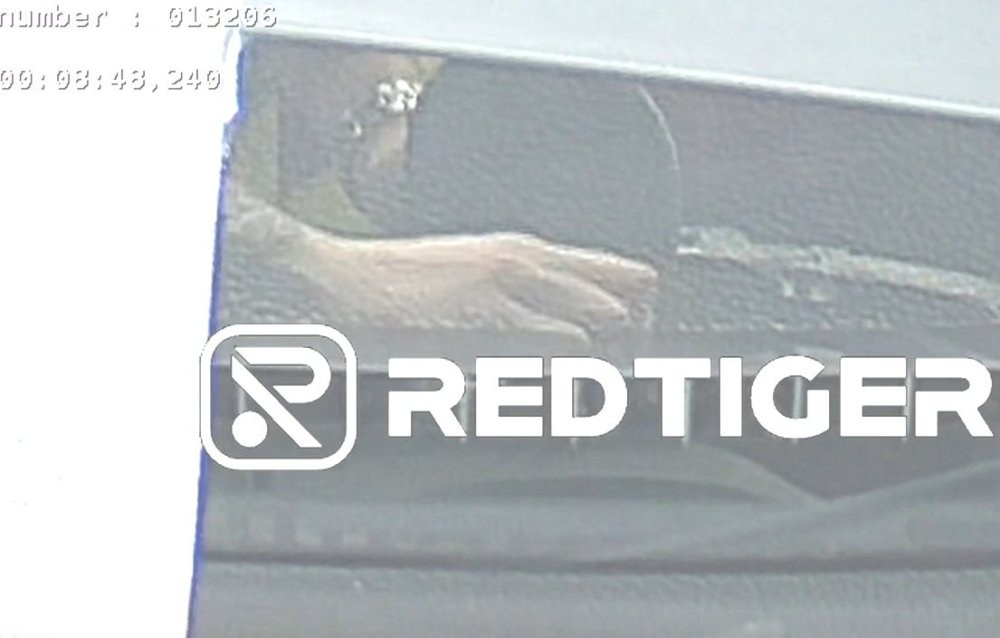
This is a service question: Can you remove the oil filter cap and reinstall it bare handed? My CDJR dealer is performing 2 for $145 oil and filter changes (up from last year's two for $130). I have a 2013 Journey crew with 3.6 engine. I left my Red tiger FN7 dash cam connected to the always on 12V supply in the center console so it kept recording until I switched it back to the normal 12V that is only on with the engine running. The cam recorded the tech pulling into the bay at 14:10. He popped the hood 14:15 and lifted the vehicle 14:23to drain the oil. He has not touched the engine cover or the round oil filter housing cap access cover. He lowered the Journey to begin the tire rotation 14:48 but the rear lug nuts are too tight (over torqued on the previous oil change/tire rotation). The technician enlisted the aid of two other tech's and they fought the rear lug nuts until about 15:20. At 15:35 the service manager came to the customer lounge to tell me the sad news and said they can't loosen the rear tires lug nuts and don't have enough parts on hand to replace the lugs and lug nuts that will likely have to be drilled and can I leave it over night? We agreed to finish the oil change today and reschedule the tire rotation. The dash camera showed the tech removing the round access cover at 15:28 then inserting the oil dispenser hose at 15:35. The last action recorded was the tech using a shop towel to wipe in the engine cover and around the access port then installing the oil filter housing cap access cover at 15:38 then lower the hood at 15:39. My question: can you remove the oil filter cap without a tool (bare hand only) and replace the filter cartridge and cap in less than a minuet without using a wrench"




-
This is a service question My CDJR dealer is performing 2 for $145 oil and filter changes (up from last year's two for $130) I have a 2013 Journey crew with 3,6 engine. I left my Red tiger FN7 dash cam connected to the always on 12V supply in the center console so it kept recording until I switched it back to the normal 12V thats only on with the engine running. The cam recorded the tech pulling into the bay at 14:16. He popped the hood and lifted the vehicle to drain the oil. He lowered the Journey to rotate the tires but the rear lug nuts are too tight (over torqued on the previous oil change/tire rotation). After the service manager came to the customer lounge to tell me the sad news and said they dont have enough parts on hand to replace the lugs and lug nuts that will likely have to be drilled and can I leave it over night? We agreed to finish the oil change today and reschedule the tire rotation.
-
John/Horace reacted to a post in a topic:
Code P0128 - replaced thermostat
-
John, Thanks for the warning. The Dexcool I have is Prestone GM specific OAT bought for my wife's 2000 Chevy Camaro when she was loosing coolant. After a installing a new water pump, thermostat and radiator cap she is good to go. The service on my 2013 Journey at 197,647 included plugs, fuel filter, PCV valve and coolant "exchange" using 68163848-AB and when I checked that part number I see: OAT, 10 Year, Chrysler, Dodge, Jeep, Fiat, Ram. It took a while googling to verify that the Prestone (upc797496860958) meets MS-12106 as specified in my owner's manual. Previous service was 114,750 when the oil filter adapter housing was replaced - new spark plugs, and coolant 68163848-AB. The service ticket does not specify if the coolant was completely drained for the service or added as needed.
-
larryl reacted to a post in a topic:
Code P0128 - replaced thermostat
-
I purchased the aluminum DORMAN 902-3036XD at NAPPA and installed it yesterday. My problem was no 10MM socket or offset wrench. I picked up a 10mm socket at Ace Hardware but then noticed it is too short with my 1/4" ratchet handle to reach over the outlet of the housing. Pressing on, I removed the hose and was able to reach the lower bolt reaching under the open end of the outlet. After removing the bolts I see that they have torx socket as well as the 10mm hex head. I have the appropriate 1/4" drive torx socket but it is too short to reach over the outlet and I don't have a short 1/4" drive extension. As I removed the housing from the engine, a good quantity of coolant spilled out of the engine while none appeared to continue to leak from the outlet after the initial amount when removing the water hose. I expected to find the thermostat in the housing stuck open but it looks good by eye - no gap visible between the seat and valve plate if stuck open. If it were stuck open, I'd expected to see all available coolant to have leaked out the outlet after the hose was removed with none remaining to leak from the engine. I tested the thermostat/housing by holding it under a tap and filling the outlet expecting to see water leak out quickly after moving it out of the water stream. Some water leaked out but in never emptied. I did the same test with the new DORMAN and surprise surprise there is a small hole in the valve plate that allows the water to drain quicker then the suspect failed thermostat (no similar hole in the OE thermostat?!?). At that point I was alarmed but committed to replacing the old suspect thermostat as there is no way I would re-install the 12 year old thermostat. (I put it in a pan of water and brought the temperature up slowly and can see that it is open at 190 Deg F, and quickly moving it under a stream of water see that the water drain freely around the open valve plate until the temperature dropped and water free flow stopped.) After the installation was complete, I added 50/50 Dexcool to the reservoir tank, pored fresh water over the belts and pulleys below the housing to flush off the spilled coolent, started it up and allowed it to run at idle. Temperature rose quickly to over 190 and reached something over 200. Since I did not take pictures to record the values this is reported from memory. Temperature reached the point the radiator fan turned on. The next morning 6 Deg F ambient, I used the remote start to warm it up. We drove off before the remote start timed out to shut down, temperature was indicated at 170 Deg F. The car warmed up nicely and reached 195 Deg for most of the drive and reached 202 stopped at traffic lights. Problem solved.
-
2late4u reacted to a post in a topic:
Code P0128 - replaced thermostat
-
The problem I see is that oil pressure stays high until the engine reaches at least 180 Deg. On cold start I see max pressure driving away of 77 to 85 psi dropping to about 35 psi stopped at idle. When the engine is properly warmed up to operating temperature idle psi is 20 to 24 and easy acceleration from a stop and running at 55 mph get to 40 to 50 psi. In the past I had a failed coolant temperature sensor on the oil cooler so the temperature never increased and oil pressure continually ran at 77 to 85 psi until I had the oil cooler replaced (with all sensors pre-installed in the new unit). The service advisor at the previous oil change indicated that the filter/cooler housing is leaking. But I delayed until the oil pressure sensor failed (also on the filter/cooler housing P0520) and had to be addressed. The oil filter housing/oil-cooler was changed and new spark plugs installed at the same time at 114,750 miles December 2019. I understand that engines are designed to run at an operating temperature of 212 to 220 deg F. Constantly running cold drops the gas mileage you could have got running at the designed temperature.
-
I don't know what to say to that. How can resetting the code fix the problem making it run cool?
-
Thanks for the answer. I've considered the aluminum housing type available from NAPA (I like the NAPA AAA member discount), but am hesitant wondering if the radiator hose will adhere more tightly to the aluminum then the plastic of the OE housing. What has been your experience? Since I have not changed the thermostat in the last 12 years, at age 77 worrying about disconnecting a stuck hose from an aluminum housing is likely not an issue.
-
I'm floored to hear that the Journey will throw P0128 code!!! I stumbled upon this post checking YouTube videos for thermostat replacement for my 2013 Journey Crew as the temperature today started at 22 Deg F and the car is very slow to warm up - reaching 168 Deg F after 17 miles. There is no P0128 code. When the engine does not warm up, oil pressure does not drop so I see 77 psi while moving that drops back to 35 or lower stopped at a light. Since the engine is obviously running cold why is there no P0128 code?
-
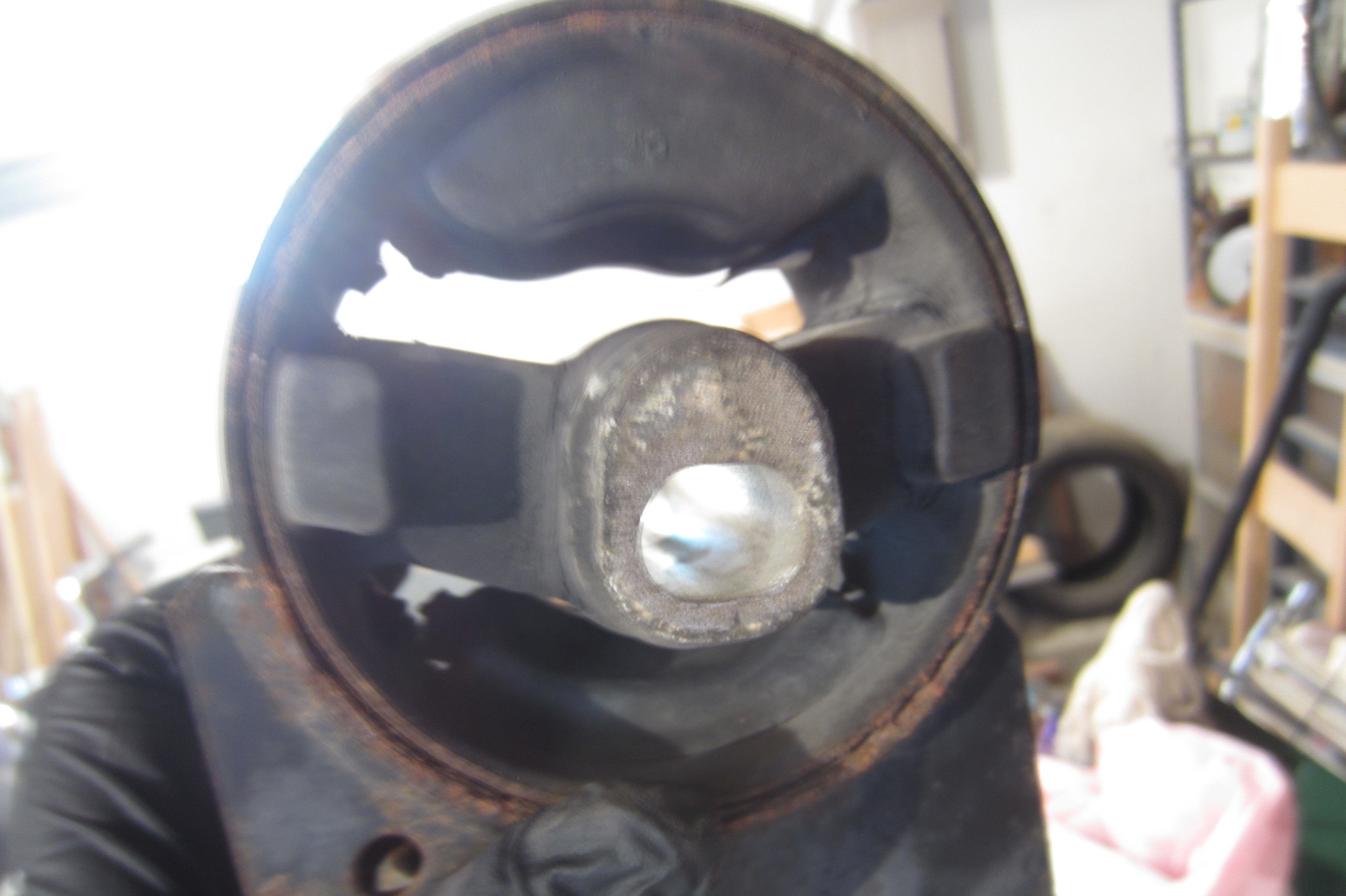
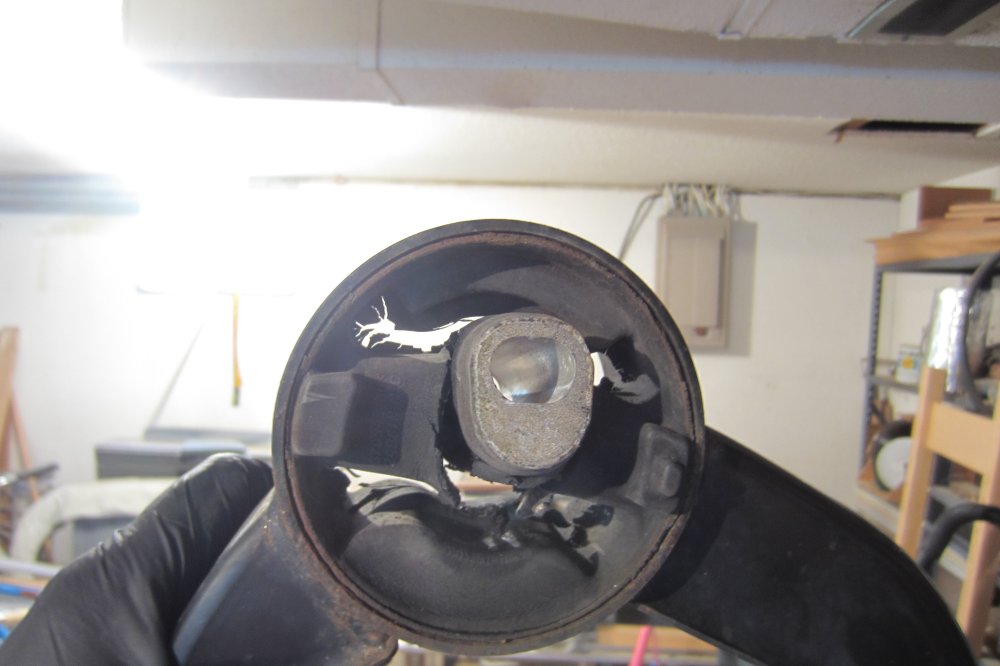
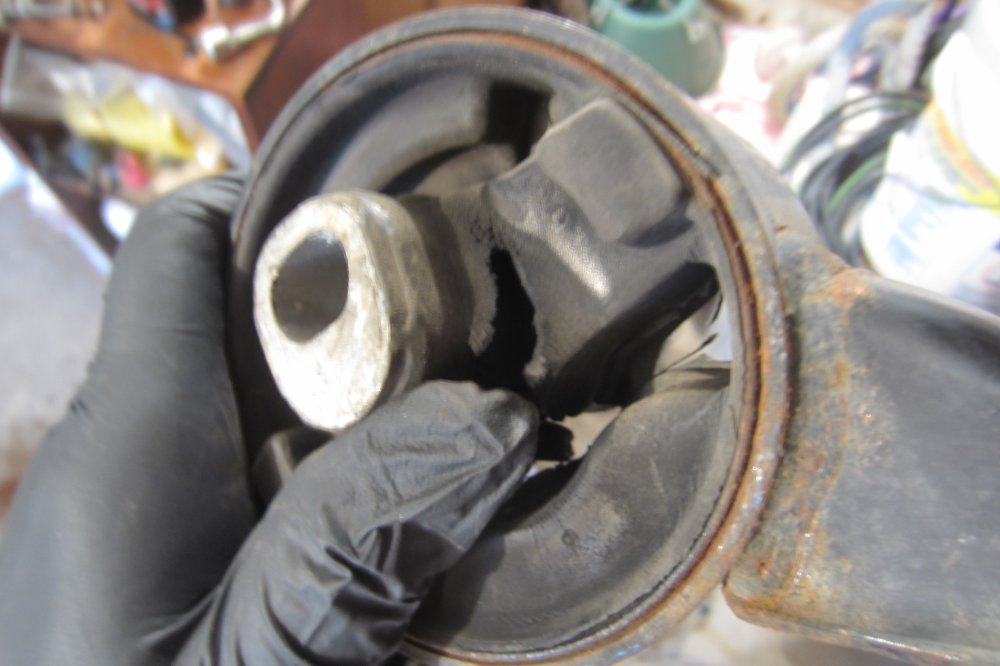
Just to update my post. I took it to Certified Transmission and the performed a diagnosis and and agreed that the transmission needs to be replaced (like that is a surprise): "CT Found: Transmission fluid-correct, old/degraded Codes present. No RPM drop when transmission commanded on. Setting transmission performance code. Did not duplicate shudder concern. Internal transmission failure. Transmission service not recommended at this time Evaluation labor $110.00." CF quoted $3454 for a "Reman Transmission 62TE" with $1185.00 labor to remove and replace Transmission. I dropped it off at CT at 08:00 Thursday 7/17 and ready for pickup by 17:30 on 7/18. By the time they finished, the job included new transmission cooler lines, a front engine mount, a rear transmission mount, 10 qts of Mobile Sn Blend Transmission Fluid.. The total invoice was $5881.64 (includes the $110 initial evaluation fee) and the three year 100,000 mile warranty and credit for the $500 deposit . The new unit shifts smoothly without the clunk I experienced up and down shifting at speeds changing from 45mph to 50 mph on cruse control. All operation of the CT Re manufactured transmission has been smooth. Back on 12/23/24 I had taken the Journey in for an oil change and tire rotation and requested evaluation of the transmission as the week before the engine died when braking to a stop (torque converter locked up? this is the first time in 10 years the car died coming to a stop.): "Customer states the engine is not running right, stated the vehicle died on them Friday when coming to a stop, However it restarted. No sure if [problem is] transmission related as when getting up to highway speeds, they hear a noise sometimes, check and advise. Test drove vehicle for 20 miles and could not duplicate concern at this time. No codes active or stored in system." After picking up the Journey, I noticed that shifts were smoother and I suspected some unspecified adjustments were performed (battery disconnected, TCM quick learn?). However, The next morning after picking up the Journey from CT I noticed a new vibration at idle. This is a new sensation as I did not remember the vibration with the failed transmission. I suspected the torque converter in the new transmission as it rotates at engine RPM and if out of balance will result in a vibration. I called CT and reported my concern and was advised to drive it for a week and bring it back for the required 15 day inspection (the inspection is required to keep the warranty in force) CT required an appointment for the inspection and I took it in 7/30 (early for the 15 day inspection). The CT technician did not seem to feel the vibration and I was asked to leave the vehicle over night so that they can start it up cold to duplicate what I was feeling. Due to scheduling conflicts I was unable to leave the vehicle until the next week. Next week when I went to pick it up, the service manager and the technician both agreed that the vibration is real (felt in the drivers door standing open and when shifted into reverse vehicle held with the breaks on) and wanted me to leave it with them for further diagnostics. I had to delay letting them keep it until the next Monday. Finally, on 8/18, CT decided that the top (passenger side) engine mount needed to be replaced. I OKed the replacement and when I picked up the Journey the next morning the vibration was (not gone, not smooth as a sewing machine) but greatly reduced and I judged it acceptable. The top side engine mount set me back another $233 parts and labor. Was that the problem? Is there anything wrong with the reman transmission? I don't know. but found a YouTube video where they replaced the top side engine mount due to its failure causing vibration. https://tinyurl.com/3pskx56f Perhaps the failed mounts replaced by CT on 7/18 caused the (new to me) vibration that I assigned to an out of balance torque converter in the new transmission and did not feel with the old transmission with bad engine mounts all around. The pictures are of the mounts replaced on 7/18. I did not ask for the one replaced on 8/18.

-
I took it to the CDJ dealership I have used since I bought the car at 13,000 miles. The dealership has changed hands twice over the last 10 years. Unfortunately, the new owners are in the camp of marking up MSRP on the OEM Mopar parts. The 68241067-AB was invoiced at $183.63 and labor was $180.00 for "Left Front Tire Pressure Sensor Coded for Internal Failure. Recommend Replacing LF Tire Pressure Sensor. Includes Diag and Programming." I had informed the service writer of the upper engine mount replacement questioning the possibility of wire harness damage affecting the TPMS system (is there a pick-up sensor in each wheel well? ) that may have inflated the "diag" labor. There was no mention on the service invoice for wire damage repair. This is the first time a TPMS sensor has failed and at 12 years since manufacture, is well beyond the 5-10 years expected life for the sensor's batteries. I was under the mistaken impression that the battery's recharged as the wheels rotated. I'll delay replacing the remaining three sensor until I replace all four tires the next go around and will pick up three sensor from their parts department (I was quoted $160 MSRP when I checked while waiting in the service lounge). I feel that I took it in the shorts on this service.
-
Just a question on TPMS: The transmission in my 2013 Journey crew was replaced at 206,000 and immediately I noticed a vibration on engine start and idle that was not felt with my old transmission. When the transmission was replaced, they suggested that the transmission mount and the driver's side motor mount were bad and should be replaced. I authorized the replacement by the transmission shop as part of the installation of the re-manufactured transmission. Over the following weeks, I continued to feel the vibration and left it at the transmission shop over night so that they can start it up cold. The next day they agreed that there is an unusual vibration both at idle and when the transmission was moved to reverse. They asked me to leave the vehicle and they worked on it the next day and said the passenger side motor mount also needs to be replaced. I went in and test drove the Journey after they replaced the motor mount and that did reduce the vibration I was feeling to the point that I'm satisfied. Driving home, TPMS alerted and the left front tire shows "---" without a reading. I pulled over and read 37 PSI on the left front tire so the tire did not go flat. My question is it possible that that a wiring harness was damaged when the shop replaced the passenger side motor mount? I question this as I had a problem with my drivers side turn signal that was traced to a connector in the right fender well I've always bought new tires at my preferred CDJ dealer (buy three get the forth one for $1) and i believed they were servicing the TPMS units as well. What is the possibility that the transmission shop damaged a wiring harness when they replaced the passenger side motor mount?
-
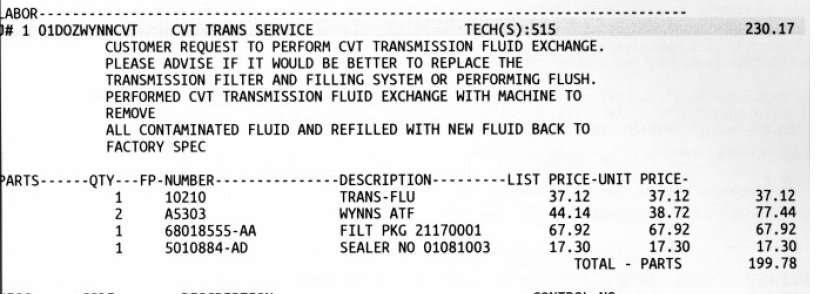
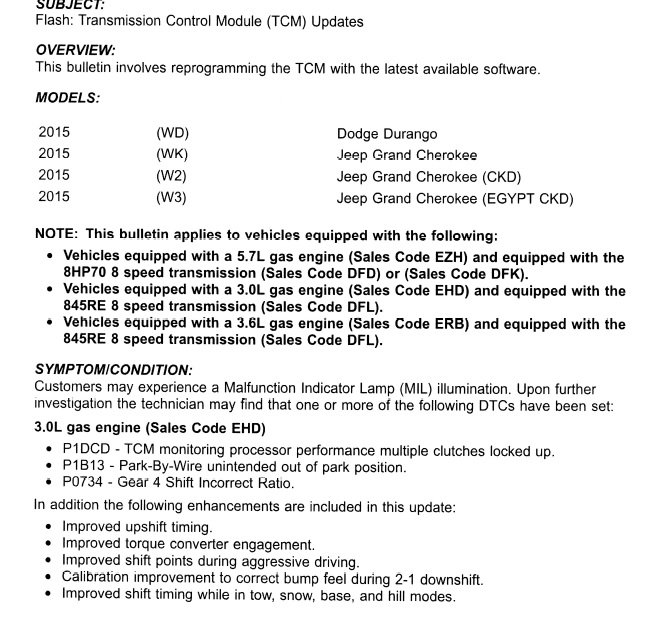
I need some advice on what to do next. On 6/23/2025 at 205,508 I asked the CJDR dealer service department to change the fluid and filter in the 62TE transmission on my 2013 Journey crew. Ten days later (7/3/2025) the check engine light came on and I found code P0740. I took it into the dealer to have it looked at but was told the transmission tech is gone for the day and I'd have to make an appointment for the following Monday. I made the appointment and then spent the 4th of July week end googling the parts and fluids used for the 6/23 service. My research shows that the trans flush and trans fluid used is incompatible with the 62TE transmission in my Journey. On Monday 7/7/2025, I discussed my concerns with the service manager and he convinced me to leave it with them for diagnostics (to be performed for a flat $200 fee), agreeing to replace the trans fluid with any I purchased at no additional charge. The images I uploaded are screen shots of my scanned service tickets showing the part numbers used in the 6/23 service and the analysis provided on the 7/7 service. The part numbers for the 6/23 service suggest 10210 is Wynn's WW 10210 two part transmission flush and A5303 is Wynn's A5303 variable viscosity transmission fluid. I could find no information on the Wynn's web site on how to use the WW 10210 flush. Searching further I found WN-TRANS-A53-_A54-REV.-05-ATF-LO-HI-APP-CHART-ENG.pdf that lists ATF+4 for FCA as H S (high viscosity suitable), but further down lists 68157995AA as L S. Searching Mopar for 68157995AA Brings up 68218925AB as replacement for 68157995AA checking compatibility with my Journey says it is incompatible (does not fit your vehicle) and suggests 68218057AC. And 68218057AC is not listed in Wynn's PDF. I had previously had the transmission flushed, filter and fluid replaced at 61,000 miles using 68018555AA Filter Pkg, 5010884AD *Sealer-None, NPN 01031 ATF Conditioner, and 68055894AA *Fluid ATF 4 6/23 service: : 7/7 service: It is odd to me that on 6/23 the service ticket makes no mention of the existing trans fluid as burnt and contaminated. Yet on 7/7 says (fluid that was just replaced on 6/23): "fluid is full and burnt" and recommends replacing transmission due to "fluid condition and contamination." Does anyone else share my skepticism that a filter change and fluid flush and refill with non Mopar trans fluid is to blame for having burnt fluid with contamination 10 days there after with the contamination possibly affecting the TCC solenoid (P0740)? I'd welcome comments as I plan to take the vehicle to a local Certified Transmission shop for evaluation and possibly having them perform a flush and filter replacement and new ATF-4 trans fluid and/or repair (if needed). There is no way in hell that I'll let the dealer sell me a new transmission for $8355 in a 200,000+ miles Journey as they have lost my confidence. I've entered the details in Grok 3 and it came up with some recommendations but the TSB 21-013-19 (Dodge/Chrysler) it cited as: "Mentions P0740 on 62TE-equipped vehicles, recommending a software update or solenoid pack inspection before major repairs." The TSB 21-013-19 printed for me by the dealer's service department does not cover the 62TE or 2013 Dodge Journey.

-
It is good to hear that someone has experienced a "washed out display" (too dim to see easily during ambient daylight conditions). The light sensor does not seem to be the problem. I checked it after seeing your post as I have never cleaned it when cleaning the dash and inside surface of the windshield. However, covering the sensor with a paper napkin with the engine running during daylight causes the automatic headlights to turn on after a slight delay. With the dimmer switch set to one click off of the interior lights "on" position (maximum brightness headlights on or off) the 8x4 display and EVIC display stay at maximum available (daylight) brightness. One click further on the dimmer switch switches to brightest night mode and the 8x4 display dims when the headlights are on. So covering the sensor with a napkin causes the automatic headlights to turn on and both the 8x4 and EVIC displays' brightness level respond to the lights-on condition conforming to the current setting of the dimmer switch. Removing the napkin covering the sensor begins a delay period after which the automatic headlights turn off and both displays return to maximum daylight brightness.